Healthy Gaming Habits: Screen Time, Breaks and Posture
Games are a great way to relax, challenge yourself and spend time with friends. Like most enjoyable things, though, they work best as part of a balanced routine. This guide shares simple, common-sense habits for healthier gaming, from taking breaks and resting your eyes to sitting comfortably and protecting your sleep. It is general wellbeing advice, not medical advice, so if you have any health concerns, please speak to a qualified professional.
Take regular breaks
It is easy to lose track of time when a game is going well. One more round becomes ten, and suddenly an hour has passed without you moving. Regular breaks help your body and your mind.
- Set a timer. Many people find a reminder every 30 to 60 minutes helpful. When it goes off, stand up, even if only for a minute or two.
- Use natural stopping points. The end of a level, match or round is a good moment to pause, rather than stopping in the middle of something exciting.
- Move during breaks. Walk to get a glass of water, stretch your arms above your head or roll your shoulders.
- Drink water. It is easy to forget when you are focused, especially in hot weather.
Short games suit this habit well. Our list of quick games for a five-minute break includes titles like Tower Stack and Snake, where each round naturally ends after a few minutes.
Look after your eyes
Looking at a screen for a long time can leave your eyes feeling tired or dry, partly because people tend to blink less when concentrating. A commonly recommended habit is the 20-20-20 idea: every 20 minutes, look at something about 20 feet (roughly 6 metres) away for around 20 seconds. It is an easy reminder to give your eyes a regular change of focus.
Some other simple steps that many people find helpful:
- Adjust screen brightness so it roughly matches the light in the room, rather than being much brighter or darker.
- Reduce glare by positioning your screen so that windows and lamps do not reflect directly off it.
- Keep a comfortable distance from the screen instead of leaning in close.
- Remember to blink, especially during intense moments.
If you notice ongoing eye discomfort, headaches or changes in your vision, an eye care professional is the right person to check it.
Sit comfortably
Good posture is less about sitting perfectly still and more about being comfortable and changing position regularly. A few tips for gaming on a computer:
- Sit with your back supported and your feet flat on the floor or on a footrest.
- Keep the top of the screen at or slightly below eye level, so you are not looking up or bending your neck down for long periods.
- Keep your wrists fairly straight and your shoulders relaxed rather than hunched.
- Keep the mouse and keyboard close enough that you do not have to stretch.
On phones and tablets, try to hold the device a little higher so you are not looking down steeply, and switch hands or positions from time to time. These same ideas help with typing as well; our typing practice plan covers hand position in more detail.
Protect your sleep
Late-night gaming sessions are one of the most common ways games eat into wellbeing. Exciting games can make it harder to wind down, and it is easy to stay up much later than planned.
- Try to stop playing a while before bed and do something calmer instead.
- Avoid starting a long game close to bedtime; choose a short puzzle if you want to play at all.
- Keep a regular sleep schedule where possible, including on weekends.
Many devices have a night mode or a screen time feature. These can be useful reminders, but the most effective tool is usually a simple personal rule, such as no games after a certain time.
Keep games in balance
Gaming is healthiest when it sits alongside other parts of life: school or work, time with family and friends, physical activity, prayer or other personal commitments, and rest. A few questions can help you check your balance:
- Am I still making time for the people and activities that matter to me?
- Do I feel refreshed after playing, or tired and irritable?
- Is gaming affecting my sleep, studies or work?
If the answers worry you, try cutting back gradually, setting specific times for play or asking someone you trust to help you stick to a plan. If gaming ever feels out of control or is affecting your mood, reaching out to a counsellor, doctor or other professional is a sensible and positive step.
Tips for parents and families
For younger players, clear and consistent habits make a big difference:
- Agree on playing times together, rather than simply imposing limits.
- Keep devices in shared spaces where possible.
- Choose games suitable for the child's age and play together sometimes; it is a great way to understand what they enjoy.
- Encourage a mix of activities, including time outdoors and away from screens.
Key takeaways
- Take a short break at least every 30 to 60 minutes, and move around when you do.
- The 20-20-20 idea is a simple, commonly recommended way to rest your eyes.
- Sit comfortably with your screen at about eye level and change position often.
- Stop gaming a while before bed to protect your sleep.
- If you have health worries or gaming feels out of control, speak to a qualified professional.
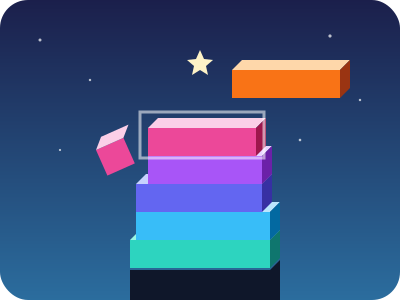
Drop sliding blocks onto a growing tower, trim the overhangs and line up perfect drops to build as high as you can.
Play free